
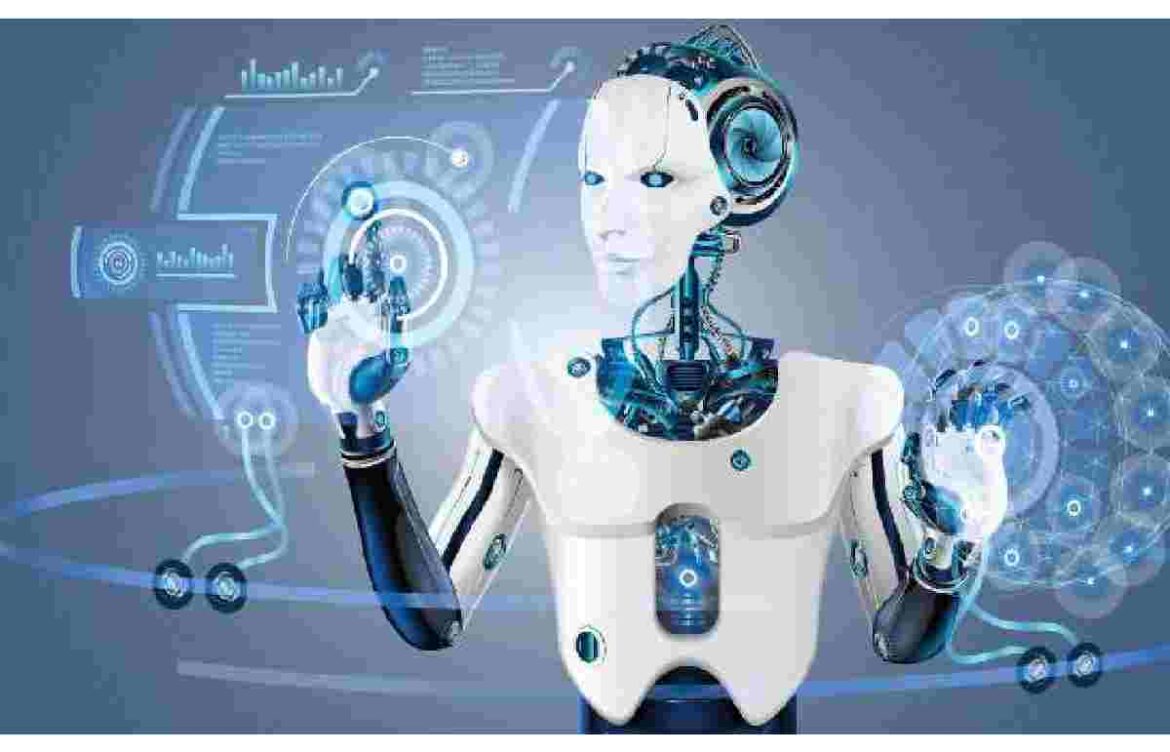
Robotic Process Automation (RPA) – Methods, Features, And More
Robotic Process Automation (RPA) – Visualise a kind of computer program that can be a really smart sort of assistant, the one that will take care of his or her own routinized and tedious tasks, e.g., complete forms or information transfers. And this is what Robotic Process Automation (RPA) is! RPA is a software which is robot-like in nature; it resembles the use of computers by humans.
Unlike traditional automation, RPA does not require deep system integration. It works on top of existing applications, making it cost-effective and quick to deploy.
Why is RPA Awesome?
RPA is beneficial to businesses and individuals in numerous ways that are cool:
Saves Money and Time: RPA robots are fast and do things right meaning that companies end up consuming less time and money to repair errors.
Works with any Program: RPA can work with any type of computer applications, such as how you can use your phone to text, play games or check homework- it interrelates it all!
Super Safe and Follows Rules: RPA robots do not break any instructions, and it is essential in such area as a hospital or a bank where the instructions are strict. They also secure confidential information.
Get People to do Fun Work: Allowing robots to do the menial work will allow people to concentrate on creative activities, such as problem-solving or customer service.
Manages Large Tasks with Ease: When the task at hand is heavy, RPA robots have the capability to take it up without becoming sluggish as a superhero team that never gets fatigued.
Key Components of RPA
| Component | Description | Purpose |
| Bot (Robot) | Software program that executes tasks | Performs automation |
| RPA Studio | Development environment | Creates automation workflows |
| Orchestrator | Central control system | Manages bots and schedules tasks |
| Bot Runner | Executes automation scripts | Runs tasks in real-time |
| Analytics Dashboard | Performance tracking system | Monitors efficiency |
How Robotic Process Automation (RPA) Works?
Robotic Process Automation (RPA) works by using software bots to imitate human actions on digital systems. These bots interact with applications, websites, and databases to complete repetitive tasks automatically—just like a person using a computer.
Step-by-Step Process of How RPA Works
1. Identify the Process
The first step is to select tasks that are:
- Repetitive
- Rule-based
- High volume
- Time-consuming
Examples include data entry, invoice processing, and customer record updates.
2. Analyze and Map the Workflow
Businesses study the process and create a workflow showing:
- Each step involved
- Required data
- Decision rules
- Inputs and outputs
This helps developers understand how the task is completed manually.
3. Bot Design and Development
RPA developers create bots using tools such as UiPath, Automation Anywhere, or Blue Prism.
These tools use:
- Drag-and-drop interfaces
- Low-code or no-code features
- Scripts and automation rules
Bots are programmed to follow the defined workflow.
4. Integration with Existing Systems
RPA bots connect with:
- ERP systems
- CRM software
- Email platforms
- Websites and databases
They do not require major changes to existing IT systems.
5. Execution and Automation
Once deployed, bots:
- Log in to systems
- Extract and process data
- Fill forms
- Send emails
- Generate reports
They can work 24/7 and handle large volumes of tasks.
6. Monitoring and Control
Organizations monitor bot performance through dashboards. This ensures:
- Accuracy
- Compliance
- Efficiency
If errors occur, adjustments are made to improve the automation.
7. Continuous Improvement
Over time, businesses:
- Optimize workflows
- Add AI and machine learning
- Expand automation to more processes
This leads to intelligent automation.
How Do People Use RPA?
Lots of industries use RPA to make their work easier and faster. Here are some examples:
- Banks: Robots help with things like checking account details or sending money, so bank workers can focus on helping customers.
- Hospitals: RPA organizes patient records, bills, or even medicine schedules, making sure everything is accurate and safe.
- Stores: Online shops use RPA to track orders, manage warehouses, or answer customer questions quickly.
- Insurance Companies: Robots help process claims (like when someone needs money after an accident) and make sure everything follows the rules.
Types of RPA
| Type | Description | Example |
| Attended RPA | Works alongside humans | Customer service assistance |
| Unattended RPA | Runs independently | Night-time data processing |
| Hybrid RPA | Combination of both | Banking workflow automation |
| Cognitive RPA | AI-powered automation | Invoice data extraction |
Why Should You Care About RPA?
RPA is like having a super-smart robot friend who takes care of the boring stuff, so people can do more exciting and important work. It’s changing how businesses run, making them faster, smarter, and better at helping people like you!
In the future, RPA could help with things like organizing your schoolwork, managing your allowance, or even helping teachers grade tests faster. It’s a big part of how technology is making life easier!
Industries Using RPA
| Industry | Use Case | Benefit |
| Banking | Loan processing | Faster approvals |
| Healthcare | Patient data entry | Reduced errors |
| Insurance | Claims processing | Improved accuracy |
| Retail | Inventory updates | Cost reduction |
| Manufacturing | Order management | Higher efficiency |
| Telecom | Billing automation | Time savings |
Benefits of RPA
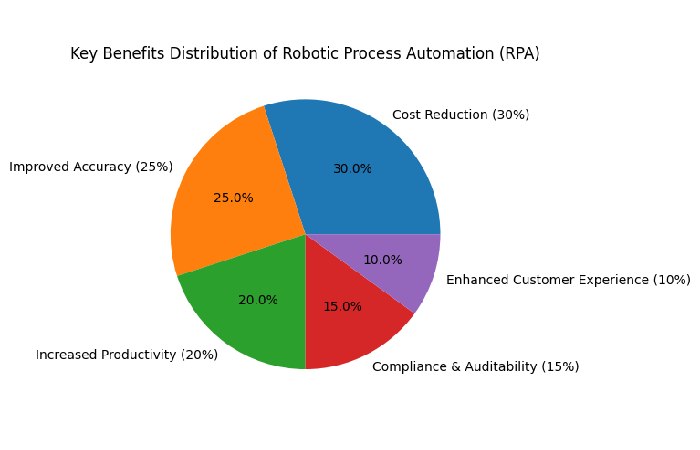
| Benefit | Impact on Business |
| Cost Reduction | Saves operational costs |
| Increased Accuracy | Reduces human errors |
| Faster Processing | Improves turnaround time |
| Scalability | Easily expand automation |
| Compliance | Better audit tracking |
| 24/7 Operations | No downtime |
Industries Using Robotic Process Automation (RPA)
Robotic Process Automation (RPA) is widely used across industries to automate repetitive, rule-based tasks, improve efficiency, and reduce operational costs. Here are the major industries leveraging RPA today:
1. Banking & Financial Services
Banks use RPA for:
- Account opening and KYC verification
- Loan processing
- Fraud detection support
- Transaction reconciliation
- Report generation
Major financial institutions adopt platforms like UiPath and Automation Anywhere to streamline operations.
2. Healthcare
Healthcare organizations use RPA for:
- Patient data management
- Appointment scheduling
- Insurance claim processing
- Billing and invoicing
- Compliance reporting
Automation reduces paperwork and improves patient service efficiency.
3. Insurance
Insurance companies automate:
- Policy issuance
- Claims processing
- Underwriting support
- Regulatory compliance
- Customer service tasks
RPA speeds up claim settlements and reduces manual errors.
4. Retail & E-commerce
Retailers use RPA for:
- Order processing
- Inventory management
- Invoice handling
- Customer support automation
- Pricing updates
It helps manage high transaction volumes efficiently.
5. Telecommunications
Telecom companies automate:
- Customer onboarding
- Billing operations
- Service activation
- Data entry and reporting
RPA improves service delivery speed.
6. Manufacturing
Manufacturers apply RPA in:
- Supply chain management
- Procurement
- Inventory tracking
- Quality reporting
- Vendor management
Automation enhances operational accuracy and reduces downtime.
7. Government & Public Sector
Government agencies use RPA for:
- Document processing
- Tax processing
- Citizen service automation
- Compliance and audits
This increases transparency and efficiency.
8. Human Resources (Across Industries)
HR departments use RPA for:
- Employee onboarding
- Payroll processing
- Attendance tracking
- Resume screening
- Data management
RPA reduces administrative workload.
9. IT & Technology Services
IT teams automate:
- User account provisioning
- System monitoring
- Data migration
- Helpdesk ticket management
Companies like Blue Prism provide enterprise-grade RPA solutions for tech environments.
Challenges of RPA
| Challenge | Explanation |
| Initial Investment | Setup cost can be high |
| Maintenance | Bots require monitoring |
| Change Management | Employee resistance |
| Process Standardization | Needs structured workflows |
| Security Risks | Requires proper governance |
Fun Fact
Did you know that by 2023, RPA was a $12 billion industry? That’s a lot of robots helping people all over the world!
This version is concise, uses simple language, and includes relatable examples to engage Grade 9 students. It avoids complex jargon and focuses on the key benefits and uses of RPA in a way that’s easy to understand. Let me know if you’d like further tweaks or additional details!
Companies Using Robotic Process Automation
Below is a table of major Indian companies that use Robotic Process Automation (RPA) to streamline operations, improve efficiency, and reduce costs.
India
| Company Name | Industry | RPA Use Cases | Common RPA Platforms |
| Tata Consultancy Services | IT Services | Finance automation, HR processes, customer support automation | UiPath, Automation Anywhere |
| Infosys | IT & Consulting | Invoice processing, data migration, compliance reporting | Blue Prism, UiPath |
| Wipro | IT Services | IT helpdesk automation, supply chain automation | Automation Anywhere |
| HDFC Bank | Banking | KYC verification, loan processing, reconciliation | UiPath |
| ICICI Bank | Banking | Customer onboarding, fraud detection support | Automation Anywhere |
| Axis Bank | Banking | Account servicing, compliance checks | Blue Prism |
| Reliance Industries | Conglomerate | Procurement automation, finance operations | UiPath |
| Flipkart | E-commerce | Order processing, inventory updates | Automation Anywhere |
| Tech Mahindra | IT & Telecom | Telecom billing automation, CRM updates | Blue Prism |
| HCL Technologies | IT Services | IT operations automation, payroll processing | UiPath |
UK
| Company Name | Industry | How They Use RPA | Popular RPA Tools |
| HSBC | Banking & Finance | Automates compliance checks, data entry, fraud detection, and reporting | UiPath, Automation Anywhere |
| Barclays | Banking | Customer onboarding, document verification, and loan processing | UiPath |
| Lloyds Banking Group | Financial Services | Mortgage processing, account updates, and regulatory reporting | Automation Anywhere |
| BT Group | Telecom | Automates billing, network monitoring, and service provisioning | Blue Prism |
| NHS | Healthcare | Patient record management, appointment scheduling, and claims processing | Blue Prism |
| Deloitte | Consulting | Internal finance automation, HR onboarding, and client solutions | UiPath, Automation Anywhere |
| PwC | Consulting | Audit automation, tax data processing, and workflow automation | UiPath |
| Vodafone | Telecommunications | Customer service automation, billing, and order processing | Automation Anywhere |
| Tesco | Retail | Inventory management, supply chain automation, and invoice processing | Blue Pris |
Europe
| Company | Country | Industry | RPA Use Cases | RPA Tools |
| Siemens | Germany | Manufacturing & Engineering | Automating procurement, invoice processing, supply chain workflows | UiPath |
| Volkswagen | Germany | Automotive | Finance automation, HR processes, production data management | Automation Anywhere |
| HSBC | UK & Europe | Banking & Finance | Fraud detection, compliance, customer onboarding | Blue Prism |
| SAP | Germany | Enterprise Software | Internal automation, customer support, IT services | Microsoft Power Automate |
| Unilever | UK | FMCG | Supply chain tracking, HR, finance, customer service automation | UiPath |
| Deutsche Bank | Germany | Banking | Loan processing, regulatory compliance, reporting | Blue Prism |
| Shell | Netherlands/UK | Energy | Finance automation, data processing, predictive maintenance | Automation Anywhere |
| Airbus | France | Aerospace | Engineering documentation, procurement, HR automation | UiPath |
| BNP Paribas | France | Banking | KYC compliance, back-office operations, customer data management | Blue Prism |
| Allianz | Germany | Insurance | Claims processing, policy management, underwriting automation | Automation Anywhere |
Conclusion
Robotic Process Automation (RPA) is changing the business world through automation of repetitive activities, efficiency, cost reduction and productivity. RPA is becoming intelligent automation with the adoption of AI and machine learning, and its ability to be a significant element of digital transformation in the global context is crucial.
Companies that use RPA have a competitive edge, operational efficiency, and scalable expansion.