
Diversification Strategy – Introduction, Best And More
What is a Diversification Strategy?
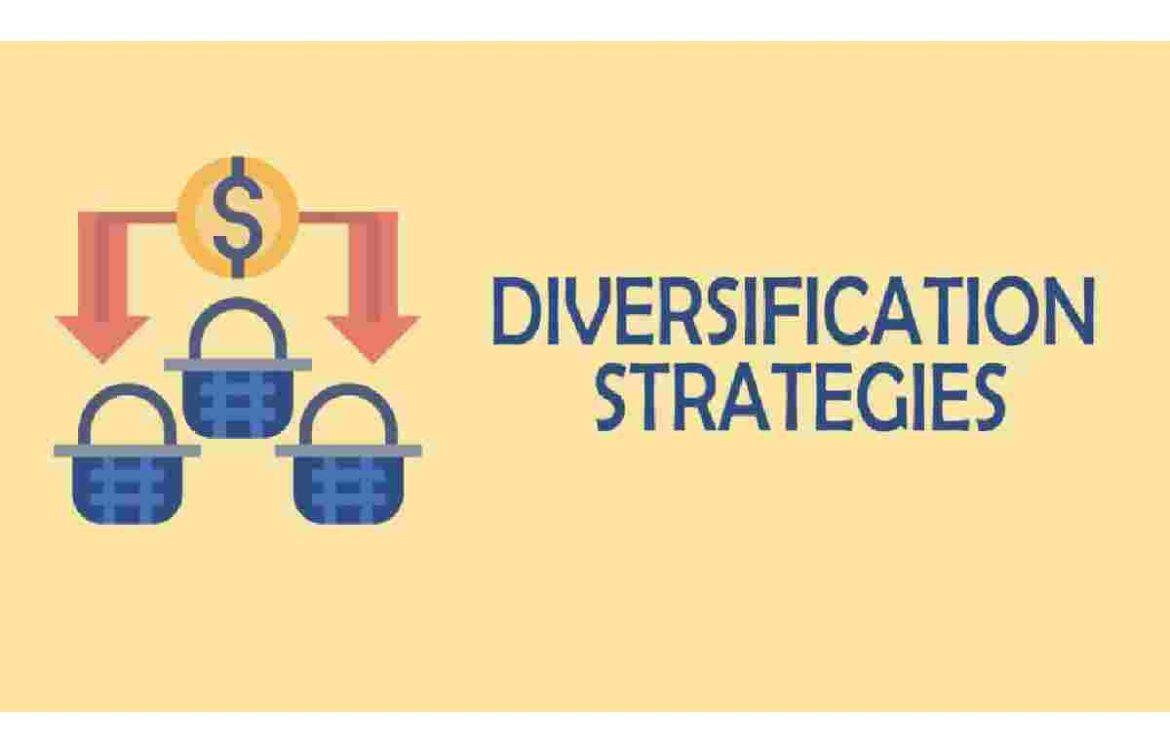
A diversification strategy is when a business grows by entering new markets or creating new products. The main goal is to reduce risk by not depending on just one product or market. It’s like not putting all your eggs in one basket—it helps create multiple ways to earn money.
Two Main Types of Diversification
- Related Diversification: The company expands into industries or products that are similar to what it already does. For example, a phone company starting to make tablets.
- Unrelated Diversification: The company enters completely different industries or markets. For example, a phone company starting a clothing brand.
Why Do Companies Use Diversification?
Here are six simple reasons why a business might choose to diversify:
- Beat the Competition: Offering new products or services can make a company stand out from others.
- Make More Money: New products or markets can lead to more sales and growth.
- Stay Safe in Tough Times: If one product or market fails (like during a recession), other products can keep the business going.
- Improve Brand Image: Adding new products can make the company look fresh and exciting to customers.
- Adapt to Changes: Diversification helps companies use new technology or trends to stay successful.
- Use Resources Better: The company can make better use of its money, equipment, or skills by creating new products.
Four Types of Diversification Strategies
Companies can choose from these four strategies based on their goals:
- Horizontal Diversification
- This is when a company adds new products that are similar to what it already sells.
- Example: A juice company starts selling smoothies to give customers more choices.
- Vertical Diversification
- This is when a company starts making parts of its product itself instead of buying them.
- Example: A toy company starts making its own plastic pieces instead of buying them from another company.
- Conglomerate Diversification
- This is when a company enters a completely new market with no connection to its current business.
- Example: A car company buys a chain of restaurants.
- Concentric Diversification
- This is when a company creates a new product that’s related to its current products but appeals to new customers.
- Example: A company that makes baby diapers starts making baby wipes to reach more parents.
Why Does Budget Matter?
The amount of money a company has can decide which strategy it picks. Strategies like horizontal or concentric diversification are often cheaper because they use the company’s existing tools and skills. On the other hand, conglomerate diversification might cost more because it involves starting something completely new.
Conclusion
Diversification is a smart way for businesses to grow, reduce risks, and stay strong. By choosing the right strategy, a company can reach new customers, make more money, and keep up with changes in the world.