
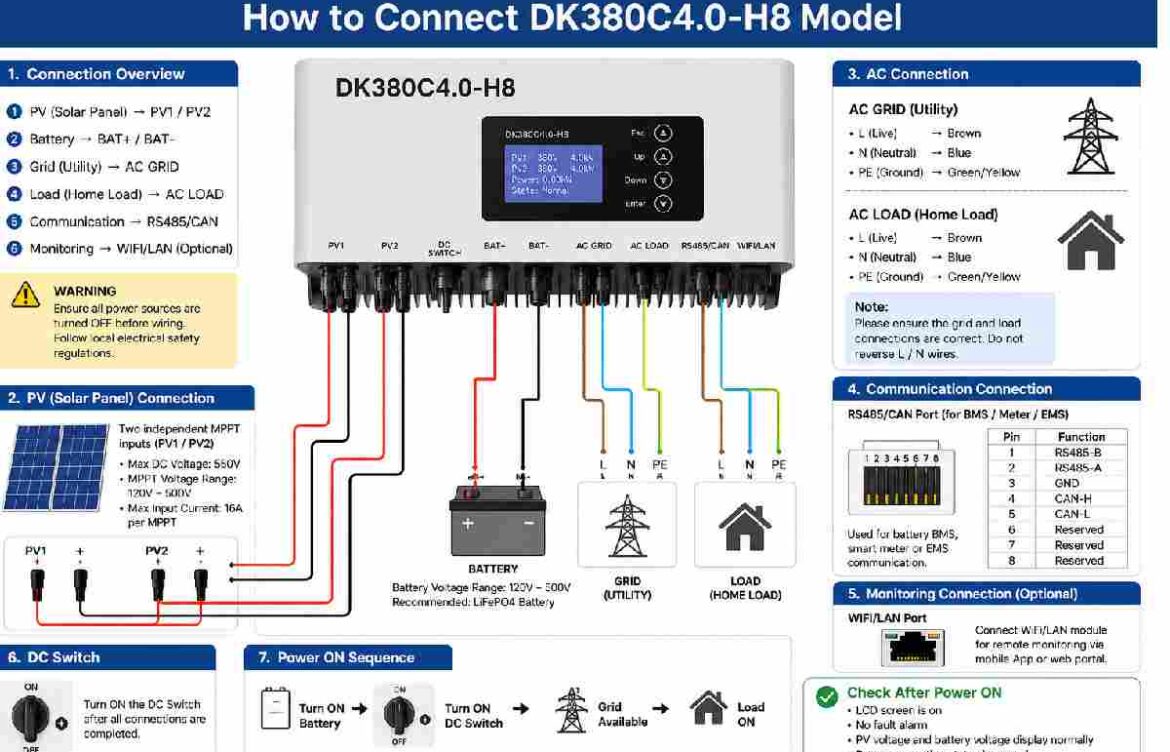
How to Connect DK380C4.0-H8 Model: Step-by-Step Guide (Philippines)
How to Connect DK380C4.0-H8 Model – If you’ve just got your hands on the DK380C4.0-H8 model, you’re probably asking the same question most users do:
“How do I actually connect this thing properly?”
You aren’t the only one.
Whether it’s for the first time setting up a connection or for solving connection problems, this guide covers all of it, without any confusing computer jargon or non-sensical robotic instructions. I will teach it as if your friend is sitting right next to you, giving you tips with practical examples in realistic circumstances.
What is the DK380C4.0-H8 Model? (Simple Definition)
The DK380C4.0-H8 model is a specialized electronic hardware module designed for device communication and system integration. It’s often used within industrial, IoT, or smart tech applications as a way of allowing machines to talk to each other.
Connection types supported may include USB, Wi-Fi, or Ethernet, varying on a case by case basis. It’s popular due to it’s stability and efficiency allowing users to keep an eye on, and control, devices in real time. H8 commonly implies an improved hardware revision over previous models, enhancing performance, compatibility or internal components
DK380C4.0-H8 is typically a hardware-based device/module used for:
- Data transmission
- Device communication (wired or wireless)
- Industrial or smart-device integration
- IoT or embedded system setups
Definition Table
| Term | Meaning |
| DK380C4.0 | Device series or chipset version |
| H8 | Hardware revision or model variant |
| Connectivity | Ability to connect with other systems |
| Interface | Method of communication (USB, Wi-Fi, etc.) |
Why Proper Connection Matters?
You might think plugging it in is enough—but that’s where many users run into trouble.
Common issues caused by improper setup:
- Device not detected
- Frequent disconnections
- Firmware errors
- Data transfer failures
Benefits of correct setup:
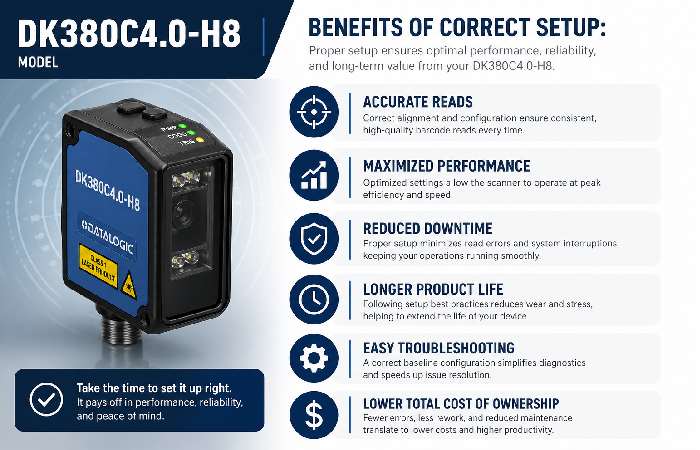
- Smooth performance
- Stable connection
- Longer device lifespan
- Better data accuracy
Things You Need Before Connecting
Before jumping into setup, prepare these essentials.
Checklist Table
| Requirement | Description |
| Power Source | Stable power supply |
| Connection Cable | USB / LAN / Serial cable |
| Drivers | Required device drivers |
| Software | Control or interface software |
| User Manual | Device-specific instructions |
| Computer | Windows/Linux/Mac system |
Understanding Connection Types
The DK380C4.0-H8 model may support multiple connection types.
Connection Types Overview
| Type | Use Case | Difficulty Level |
| USB | Basic connection | Easy |
| Wi-Fi | Wireless setup | Medium |
| Ethernet | Stable networking | Medium |
| Serial Port | Industrial usage | Advanced |
Step-by-step to connect model DK380C4.0-H8
Let’s follow up by the step.
Step 1: Power On the Device
- Connect the power adapter
- Turn on the device
- Wait for LED indicators
LED Indicators Guide
| LED Color | Meaning |
| Green | Power ON |
| Red | Error |
| Blue | Active connection |
Step 2: Connect via USB (Easiest Method)
This is the most beginner-friendly method.
Steps:
- Plug USB cable into device
- Connect to your computer
- Wait for auto-detection
What happens next:
- Your system installs drivers automatically (sometimes)
- Device appears in Device Manager
Step 3: Install Required Drivers
If your device is not detected:
Manual Installation Steps:
- Download driver from official source
- Run installer
- Restart your computer
Driver Installation Table
| OS | Action |
| Windows | Install .exe file |
| Linux | Use terminal commands |
| Mac | Install compatible package |
Step 4: Connect via Wi-Fi (If Supported)
Wireless connection is useful but slightly tricky.
Steps:
- Turn on device Wi-Fi mode
- Search for device network
- Connect using default credentials
- Open browser and enter IP address
Step 5: Configure Network Settings
After connecting:
- Set IP address
- Configure gateway
- Assign device name
Network Configuration Table
| Setting | Example |
| IP Address | 192.168.1.100 |
| Subnet Mask | 255.255.255.0 |
| Gateway | 192.168.1.1 |
Step 6: Install Companion Software
Most DK380C4.0-H8 models require software.
Software helps you:
- Control device
- Monitor performance
- Update firmware
Step 7: Test the Connection
After setup:
✔ Open software
✔ Check device status
✔ Run test operation
Common Problems & Fixes
Let’s be real—things don’t always work on the first try.
Problem 1: Device Not Detected
Possible Causes:
- Missing drivers
- Faulty cable
- Power issue
Fix:
- Reinstall drivers
- Try different USB port
Problem 2: Connection Drops Frequently
Fixes:
- Use stable power
- Check cables
- Update firmware
Problem 3: Wi-Fi Not Connecting
Fixes:
- Reset device
- Re-enter credentials
- Check router compatibility
Advanced Setup (For Power Users)
If you’re experienced, you can:
- Configure static IP
- Use API integration
- Connect with multiple devices
- Enable remote access
Safety Tips While Connecting
Always keep these in mind:
- Avoid voltage fluctuations
- Don’t use damaged cables
- Keep firmware updated
- Follow manual instructions
Maintenance Tips
Once connected, keep your device healthy:
- Clean ports regularly
- Avoid overheating
- Update software
- Backup configurations
Real-Life Use Case (Philippines Context)
In the Philippines, this model is commonly used for:
- Industrial automation
- Smart systems
- Small-scale tech setups
Example:
A small factory uses DK380C4.0-H8 to connect sensors and monitor machines in real-time.
Quick Summary Table
| Step | Action |
| 1 | Power ON |
| 2 | Connect via USB |
| 3 | Install drivers |
| 4 | Setup network |
| 5 | Install software |
| 6 | Test connection |
FAQs
- Is DK380C4.0-H8 easy to connect?
Yes, especially via USB.
- Do I need internet?
Only for updates or Wi-Fi setup.
- Can beginners use it?
Absolutely, with this guide.
Final Thoughts
Actually, linking your DK380C4.0-H8 model to the device is not difficult, when you get through of the basics of.
The trick is simple:
Take it step by step
Don’t skip setup
Double-check connections
Once done right, the device runs smoothly and reliably.