
How To Fix Oily Hair – USA Simple Tips That Actually Work
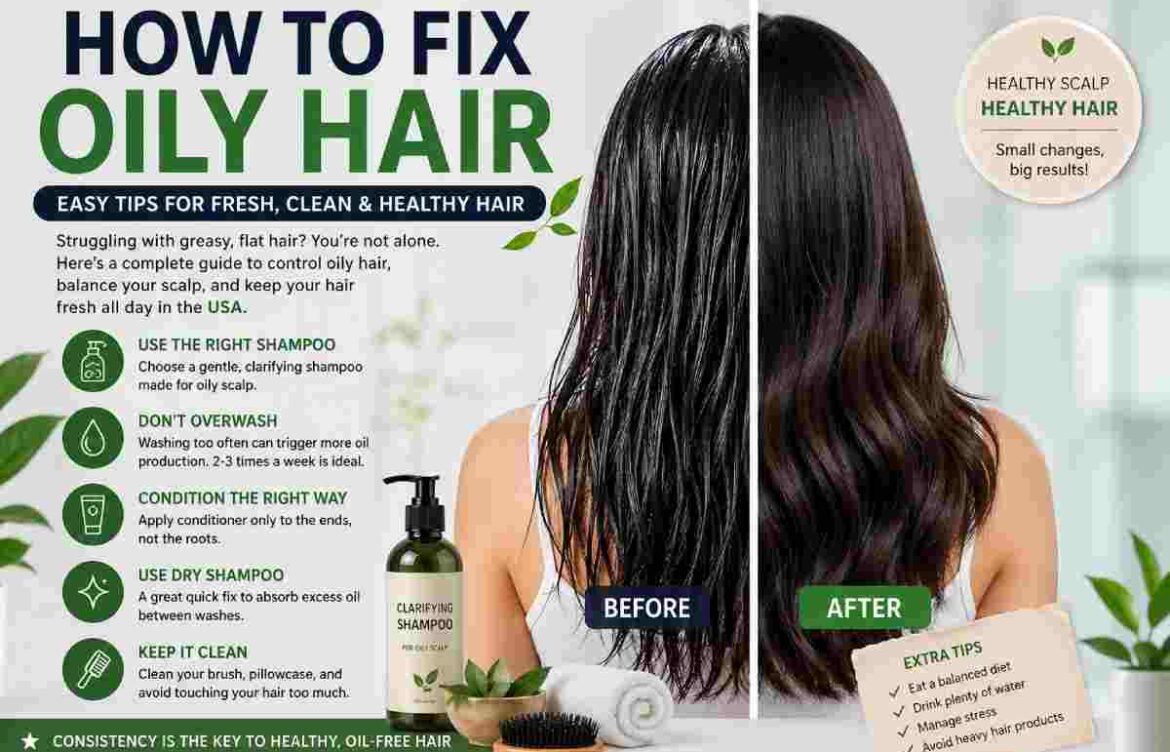
The bane of many, oily hair. You wash it this morning, and by this evening it’s flat, heavy and lank. With a lot of people having to deal with the consequences of hard water, varied climates and hectic lives, on top of dealing with the residue left behind by so many styling products, oily hair is a widespread problem in the USA. The good thing is, most oily hair conditions can be easily controlled, once you understand how it comes about and the best way to manage it.
This article will look at how the problem of oily hair occurs, review the best available solutions, and give you a practical routine for reducing oil without dehydrating the scalp. Healthy Hair Care Tips by Dermatologists
What Is Oily Hair?
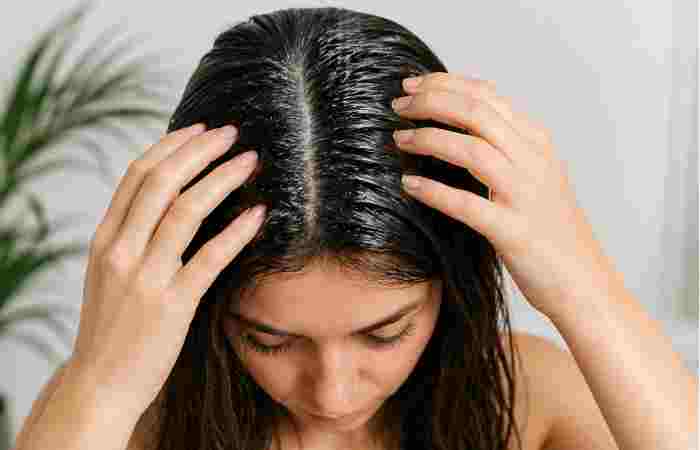
You can call hair greasy if your scalp generates excessive oil and it starts feeling that way quite fast. Your scalp secretes an oil, called sebum, which helps to make your hair feel softer and also protect it. However when too much is produced, your hair will appear to be sticky, floppy, and dirty even a very short time after being washed. Producing a bit of oil is healthy for your hair but when it becomes excessive, hair styles fall flat and trap the dirt and sweat along with any hair product.
Why Does Hair Become Oily?
There are several reasons hair gets oily faster than usual:
Overwashing
Over-washing can remove the natural oils that your hair and scalp need. This is when your scalp reacts to the imbalance by producing more oil to make up for the loss.
Harsh Shampoo
Strong sulfates and heavy formulations in shampoo may cause scalp irritation which in turn leads to excessive oil production.
Touching hair too much
Using your hands to touch hair transfers the oil on the fingers to strands of hair.
Products that are too thick on the hair

Serums, creams, and styling products can build up on the scalp and make hair appear greasy.
Hormonal Changes
There are other factors to do with hormones that influence how much oil is produced in your scalp. These factors are especially noticeable in teenagers, in adults during periods of high stress or by women throughout different stages of their monthly cycle.
Weather and Sweating
Grease can increase due to heat, humidity, exercise and hats.
Normal vs Greasy Hair
| Feature | Oily Hair | Normal Hair |
| Scalp feel | Greasy, heavy, sticky | Balanced, comfortable |
| Hair appearance | Flat, limp, shiny in a bad way | Soft, clean, healthy |
| Washing frequency | Often needs more attention | Can usually go longer between washes |
| Common issue | Product buildup, oil at roots | Occasional dryness or frizz |
| Best care approach | Lightweight, clarifying, balanced | Gentle, maintaining moisture |
The Best Ways to Treat Oily Hair
Mild Shampoo
I would recommend choosing a daily or oily scalp shampoo. Mild shampoos clean excess oil but do not over-dry the scalp.
Look for:
- Carrying for weekly use
- Lightweight for regular use
- Oil control or “balancing” formulas
Avoid using very harsh shampoo every day if your scalp becomes irritated.
Wash hair the right way
It is your scalp, not the whole of your hair, which requires shampooing as most of the oil originates from the roots.
A simple method:
- Wet hair thoroughly
- Lather shampoo into scalp
Gently massage with your fingertips for 30-60 seconds
Rinse thoroughly
Massage conditioner into the ends and mid-length of your hair
Don’t over condition your hair.
Conditioner is good for the hair but it will make your hair feel oily or heavy. Never use conditioner on your hair roots unless it states that this is OK.
Use clarifying shampoo once a week.
The oily producers of hard water or products will need to use clarifying shampoo once a week to cleanse build up from your hair.
Use lightweight oils and creams sparingly
A lot of oily-haired people are doing the problem more of a disservice by loading up their hair with rich products. Thick masks, coconut oil, and creamy leave-ins are sure to be moisturising but oily hair will simply look more greasy with this product.
Go easy on the dry shampoo
Dry shampoo can be great to absorb excess oil and give hair a lift between washes-but don’t let it substitute a good hair wash.
Keep your brush clean
If you are not washing your brush and are just spreading the oils throughout your hair over and over, you will never get it clean. Washing your brush will eliminate the oil, dust and build up left from styling product and the transfer of oils from hair.
Don’t over condition your hair.
Conditioner is good for the hair but it will make your hair feel oily or heavy. Never use conditioner on your hair roots unless it states that this is OK.
Use clarifying shampoo once a week.
The oily producers of hard water or products will need to use clarifying shampoo once a week to cleanse build up from your hair.
Comparison Table: Common Fixes for Oily Hair
| Method | Best For | Benefit | Watch Out For |
| Gentle shampoo | Daily or frequent washers | Cleans without over-drying | May need stronger cleansing once in a while |
| Clarifying shampoo | Product buildup, hard water | Deep cleans the scalp and hair | Can be drying if overused |
| Dry shampoo | Busy days, between washes | Absorbs oil quickly | Can cause buildup if used too much |
| Lightweight conditioner | Dry ends with oily roots | Keeps ends soft without heaviness | Do not apply to scalp |
| Scalp massage | Improving cleansing | Helps remove oil and buildup | Be gentle to avoid irritation |
| Clean pillowcases/brushes | Hygiene support | Reduces oil transfer | Needs regular maintenance |
A Simple Hair Care Routine for Oily Hair
Here is an easy routine that works well for many people:
Morning or Shower Routine
- Wet your hair fully under warm-ish water.
- Slightly diluted mild shampoo,
- and massage with fingertips, not nails,rinse well,
- condition only the bottom of the hair shaft and allow to air dry as much as possible.
Weekly Routine
- Use clarifying shampoo once a week
- Wash brushes and combs
- Change pillowcases
- Avoid applying too many styling products
Between Washes
- Use dry shampoo only on oily roots
- Brush gently to spread oil slightly through the hair
- Tie hair loosely if needed, but avoid tight styles that trap sweat
Ingredients That May Help Oily Hair
Some ingredients are often useful in oily hair products:
| Ingredient | Why It Helps |
| Salicylic acid | Helps remove scalp buildup and oil |
| Tea tree oil | May help refresh the scalp |
| Zinc | Can support scalp balance |
| Charcoal | Helps absorb excess oil and residue |
| Clay | Useful in masks for oily roots |
| Lightweight proteins | Can strengthen hair without heaviness |
All ingredients are not suitable for everyone, the product you should use best depends on the type of scalp, hair and how many times you wash.
What to Avoid If Your Hair Gets Oily Fast
If your hair turns greasy quickly, try to avoid these common mistakes:
- Washing too aggressively every day with strong shampoo
- Applying conditioner to the scalp
- Using too many styling creams or oils
- Brushing hair too often
- Sleeping with dirty hair or a dirty pillowcase
- Overusing dry shampoo
- Touching hair throughout the day
Sometimes the issue is not that your hair is “too oily.” It is that the scalp is reacting to the wrong routine.
When Oily Hair May Be a Sign of Something Else
Most of the time, oily hair is just a normal issue. But if the scalp also feels irritated and shows signs of redness, scaly skin, itching, or unusual irritation, then maybe more caution is needed. Sometimes, build up of oil on the scalp and the scalp condition can result in the hair looking even oilier than normal.
A regimen often corrects this, but if scalp irritation continues, it should not be ignored.
Expert Tip: Less Is Often Better
When you have oily hair, most people make the problem worse by applying more and more product. The fact is the solution usually only needs to be more of the basic: gently cleanse, remove buildup, and give your scalp a clean, but not an overloaded one.
This is where the real key lies. Oily hair rarely requires more and more products but the right ones used correctly.
Final Thoughts
One of the most common hair complaints which can be one of the simplest to cure is greasy hair. This is a perfectly normal thing after all and eventually, is about having a good relationship with your scalp, rather than fighting against it. It’s all about creating an ideal haircare routine that is suited to your life with mild shampoos, minimal product and by not putting conditioner on your roots.
For those living in the US, if you are fighting with oily roots due to humidity, hard water or an active lifestyle you will find these quick remedies will work a treat.
Also Read: https://www.simplyhawk.com