
What is Infrastructure? – Describe, Briefly
What is Infrastructure? – Infrastructure is like the backbone of a country, helping it grow and function smoothly. It includes things like roads, bridges, power plants, and water systems that support everyday life and the economy. In India, a special group in the government, called the Secretariat for Infrastructure, makes plans to build top-quality infrastructure on time. This includes projects like building new highways, dams, or improving city facilities, along with policies and budgets to make it happen.
Why is Infrastructure Important?
Infrastructure is super important because it supports everything we do! It helps people live better, work together, and grow as a community. For example:
- Hospitals and schools keep us healthy and educated.
- Roads and bridges make it easy to travel or send goods.
- Electricity powers our homes, schools, and factories.
A country with strong infrastructure is usually more developed and successful because it helps people and businesses thrive. That’s why governments spend a lot of money to build and improve it.
Types of Infrastructure
Here are six main types of infrastructure, explained simply:
- Energy Infrastructure: This includes power plants that give us electricity, like those using coal, gas, or nuclear energy. Newer systems use eco-friendly sources like wind, solar, or geothermal energy to protect the environment.
- IT Infrastructure: This is all about technology that helps us share information, like computers, data centers, and cloud systems that store data for apps and websites.
- Telecommunications Infrastructure: This helps us communicate, like internet connections, phone lines, satellites, and mobile networks for calls, texting, or radio.
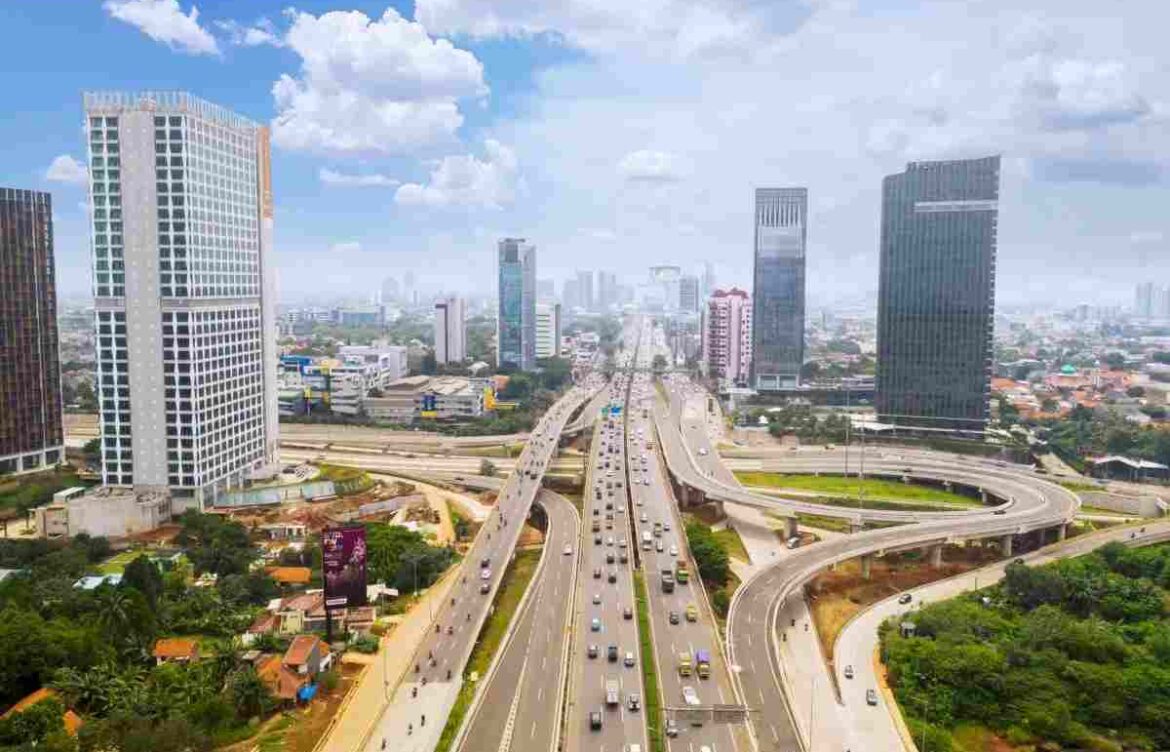
- Transportation Infrastructure: These are the systems that help us move around, like roads, railways, airports, buses, and subways. New laws might add electric vehicle charging stations to help the environment.
- Waste Management Infrastructure: This handles trash and sewage, including garbage collection, recycling centers, landfills, and sewer systems.
- Water Infrastructure: This makes sure we have clean water for drinking, farming, and other uses. It includes pipelines, wells, dams, and water treatment plants.
Conclusion
Good infrastructure helps a country grow fast and reduces poverty. India has a strong network of roads, power, and water systems, but some rural areas and poorer neighborhoods don’t have the same access as big cities. This difference affects people’s lives and slows down the country’s progress. By improving infrastructure everywhere, India can become stronger and fairer for everyone.
This version is simplified for 9th graders, using clear language and examples while keeping the key ideas intact. Let me know if you need further tweaks!